Introduction to Bathroom Decor
Your bathroom decor sets the mood for daily rituals and guest impressions. This guide explores how to choose a cohesive style, craft thoughtful color palettes, select fixtures, plan lighting, and maintain a timeless look. Drawing on years of design experience and a practical approach to EEAT, this article offers actionable steps to elevate any bathroom while balancing budget, taste, and durability.
Whether you are designing a master ensuite or refreshing a compact powder room, the goal is a space that feels calm, functional, and visually cohesive. Start by defining your preferred mood, then layer color, texture, and light to achieve that look. The following sections break down styles, key elements, budgeting, and maintenance so you can make informed decisions with confidence.
Popular Bathroom Decor Styles
Modern and Minimalist
Modern bathroom decor emphasizes clean lines, uncluttered surfaces, and a restrained palette. Think white, gray, and black with high-contrast accents. Materials such as polished concrete, glass, and matte metal fixtures create a sleek, spa-like feel. To avoid starkness, incorporate warmth through wood tones or soft textiles in towels or a bath mat.
Scandinavian Calm
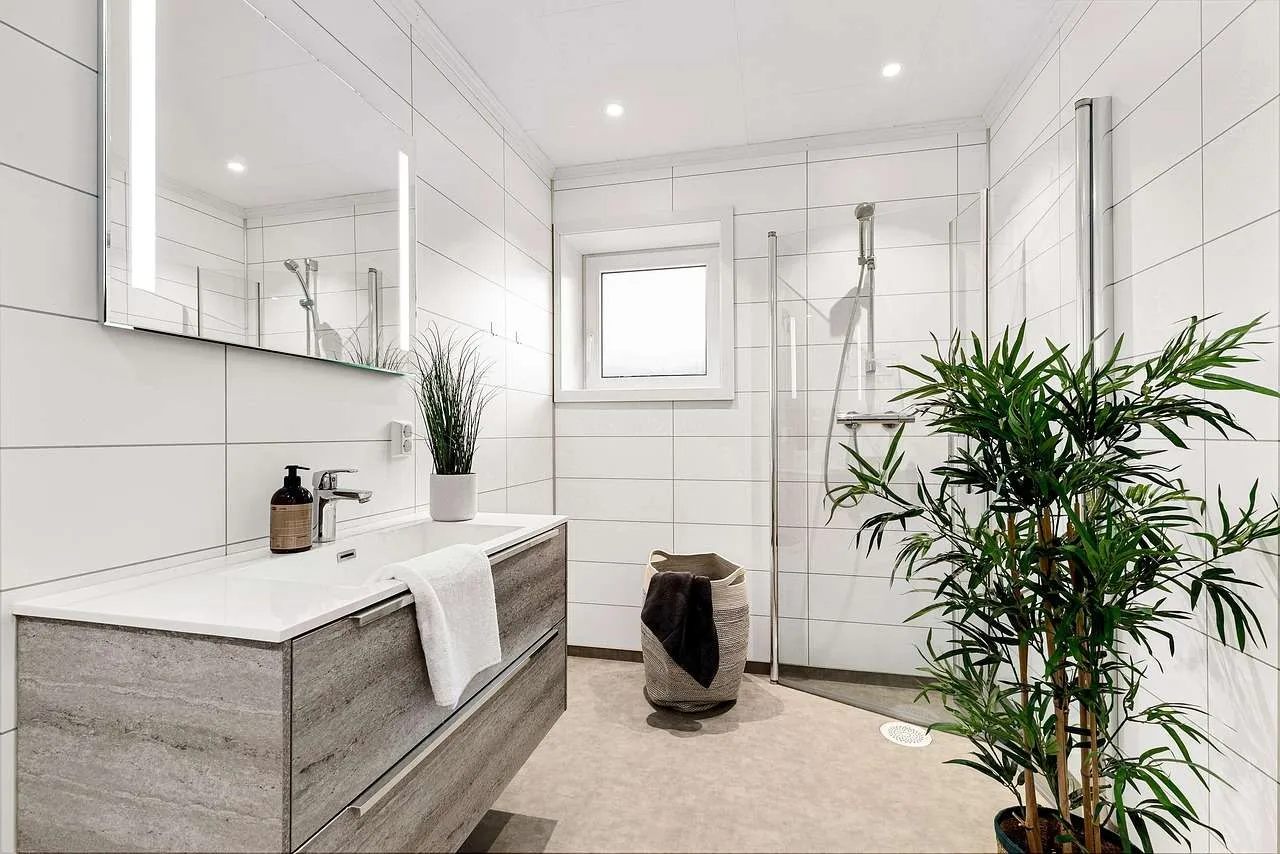
Scandinavian style blends light neutrals with natural textures. White walls, pale woods, and simple shapes promote brightness and serenity. Add warmth with textured textiles, greenery, and gentle lighting. This look works well in small spaces because it relies on reflectivity and minimal ornamentation to make rooms feel larger.
Traditional and Classic
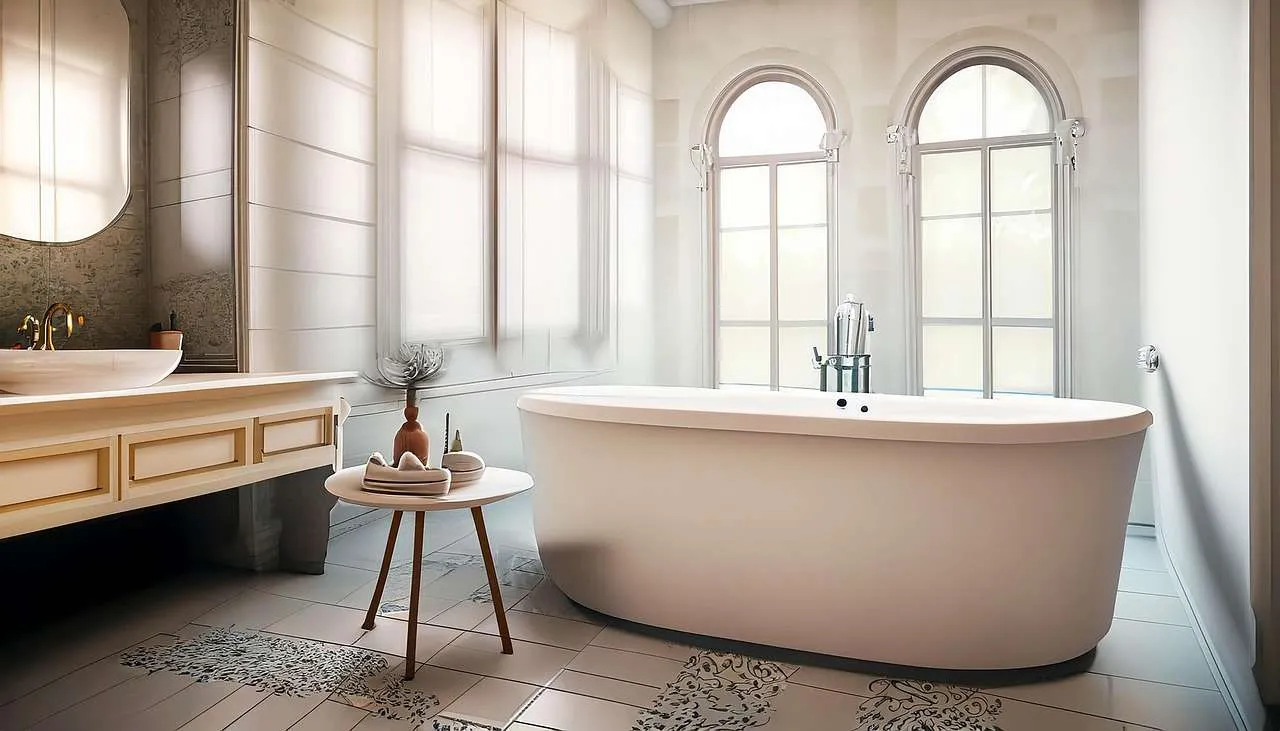
Traditional bathroom decor features timeless fixtures, refined tile patterns, and layered textiles. Materials like marble, subway tile, and polished brass fittings convey elegance. To keep it from feeling fussy, balance ornate details with clean lines and a restrained color palette, such as navy, cream, and soft gray.
Industrial and Urban
The industrial style embraces exposed textures, rugged finishes, and utilitarian fixtures. Think concrete floors, wire shelving, dark metals, and oversized mirrors. Soften the look with warm woods, white tile, and diffused lighting to prevent a cold, factory-like vibe.
Key Elements of Bathroom Decor
Color Schemes and Palettes
Choose a primary color and two accent tones to maintain harmony. Light neutrals create a sense of space, while bold accents add personality. Consider color psychology: cool blues and greens evoke calm, warm whites and beiges feel inviting, and contrast with black or charcoal for depth.
Fixtures, Finishes, and Materials
Fixtures define the room’s tone. Chrome and matte black provide modern edges, while brushed brass or nickel add warmth. Material choices affect maintenance: porcelain tiles tolerate humidity, while natural stone requires sealing. Durability, maintenance, and water resistance should guide every purchase.
Lighting that Elevates
Layered lighting matters. Combine ambient ceiling lighting with task lighting around mirrors and accent lighting to highlight textures. Warm color temperatures (2700–3000K) create a welcoming atmosphere, while dimmers enable mood control and energy efficiency.
Storage and Organization
Smart storage keeps decor neat and functional. Consider recessed shelves, vanity drawers, medicine cabinets, and vertical storage. Closed storage reduces visual clutter, while open shelves can display curated decor items and towels in cohesive hues.
Textiles, Accessories, and Natural Elements
Textiles soften the space and add color. Use towels, bath mats, and window coverings in coordinated shades. Accessorize with plants, stone trays, and wooden accents to introduce texture and a spa-like feel. Natural elements improve air quality and bring warmth to any decor.
Surfaces and Maintenance
Choose surfaces that resist moisture, are easy to clean, and age well. Porcelain, ceramic, and glazed tiles simplify maintenance, while sealed natural stone adds character. Regular sealing, gentle cleaners, and instant spill management protect your investment.
Practical Budgeting and Planning
Begin with a clear budget and a prioritized plan. Allocate 60% to essential fixtures (shower, tub, vanity), 25% to surfaces and finishes, and 15% to lighting and accessories. Source items in stages, focusing on a cohesive color story first, then layering texture and details. Don’t overlook installation and professional costs when renovating complex plumbing or electricals.
To maximize impact, choose a focal point such as a statement tile, an architectural mirror, or a distinctive vanity. These anchors guide rest of the decor choices and help you achieve a high-end look without overspending.
DIY vs Hiring Professionals
- DIY can handle cosmetic updates like paint, hardware swaps, and accessory styling to achieve a fresh look quickly and affordably.
- For plumbing, electrical, and waterproofing, hire licensed professionals to ensure safety, compliance, and long-term durability.
- Obtain multiple quotes, review portfolios, and ask for project timelines and warranty information before committing.
- Plan for dust, disruption, and contingency budgets to prevent stalled projects.
Maintenance and Care
Regular cleaning, immediate spill management, and routine sealing extend the life of surfaces. Use cleaning products compatible with your finishes and follow manufacturer guidelines. Prevent mold and mildew by ensuring proper ventilation with exhaust fans and, if possible, natural light. A well-maintained bathroom decor remains timeless and inviting.
Trends to Consider
- Biophilic touches: plant-life and natural textures that bring calm and freshness.
- Bold tile patterns used as an accent wall or shower niche.
- Matte metal finishes and low-profile fixtures for a contemporary edge.
- Sustainable materials and water-saving fixtures that align with eco-conscious goals.
Style Comparison and Summary
| Style | Characteristics | Pros | Cons |
| Modern Minimalist | Clean lines, neutral palette, sleek fixtures | Open feel, easy maintenance | Can feel cold without warmth |
| Scandinavian | Bright, neutral with natural textures | Cozy yet airy, timeless | Limited bold color options |
| Traditional | Rich materials, classic patterns, refined details | Elegant and lasting | Can be high maintenance |
| Industrial | Raw textures, dark metals, exposed elements | Characterful, durable | May feel harsh in small spaces |
Conclusion, this guide helps you navigate style choices, balance function with aesthetics, and plan a decor strategy that stands the test of time. By focusing on cohesive color palettes, durable materials, layered lighting, and smart storage, you can craft a bathroom decor that reflects your taste and comfort needs while remaining practical and cost-conscious.